Ageing brings many changes to the body, and one of the most noticeable shifts for both men and women is a gradual loss of hair density. By the age of fifty, many people start to see a difference in thickness, growth rate and overall hair volume. While hormones and lifestyle contribute to this process, one of the most significant influences comes from our genetic makeup and the way our DNA responds to ageing. At HDAClinic in Fourways, we help clients understand the science behind these changes and guide them towards practical, holistic solutions.
As we grow older, the natural hair growth cycle begins to slow down. Each hair strand goes through a phase of active growth, a short transitional phase, and a resting period before it sheds. In younger years, most follicles remain in the growth stage for a long time, which is why hair tends to be fuller. With age, however, the growth phase shortens, and the resting phase becomes longer. This means fewer hairs are actively growing at any given moment, and the strands that do grow may be finer than before.
Genetics play a central role in how pronounced this change becomes. Some people inherit a higher sensitivity to certain hormones, particularly DHT, a derivative of testosterone. In individuals who are genetically predisposed, DHT causes the follicles to shrink gradually. As this miniaturisation process continues, hairs become shorter, softer and thinner. Over time, some follicles may stop producing new strands altogether. This type of age-related thinning is known as androgenetic alopecia and affects both men and women, though the pattern may differ.
Beyond hormonal sensitivity, DNA itself undergoes gradual wear. Every cell in the body experiences oxidative stress throughout life — from exposure to UV light, pollution, lifestyle habits and natural metabolic processes. Over decades, this leads to small amounts of DNA damage within the cells responsible for hair growth. The follicles become less efficient at renewing themselves, and their ability to produce strong, healthy strands begins to decline. Mitochondria, the structures that power our cells, also weaken with age, reducing the energy available for hair regeneration.
Hormonal changes add another layer to the process. Women often experience thinning around menopause as oestrogen levels drop. Oestrogen is naturally protective of hair, so when its levels fall, the balance shifts in favour of androgens, which can accelerate genetic thinning. Men experience their own changes as testosterone levels fluctuate with age, again interacting with genetic tendencies that influence how the follicles respond.
Lifestyle plays an important supporting role. While genes set the foundation, daily habits can make hair loss appear much more dramatic if not managed well. Chronic stress, for example, increases cortisol, a hormone that disrupts the natural hair cycle. Nutritional gaps — particularly low levels of iron, zinc, protein and vitamin D — weaken the hair fibre and reduce the follicle’s ability to grow strong strands. Smoking, alcohol, harsh styling, and repeated chemical treatments also contribute to oxidative damage and scalp irritation, accelerating visible thinning.
The encouraging reality is that, although we cannot change our DNA, we can influence how our genes behave. This is the essence of epigenetics — the way lifestyle, nutrition and environment affect the expression of genetic traits. A nutrient-rich diet, proper scalp care, stress management and targeted, non-invasive therapies can support the genes that promote regeneration while reducing the impact of those associated with inflammation and ageing.
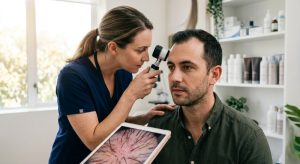
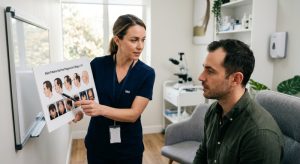
At HDAClinic, we approach age-related hair loss with a combination of scientific insight and personalised care. We begin with a detailed assessment that may include scalp analysis, blood work and, when relevant, markers that indicate genetic sensitivity to hormones such as DHT. Understanding the underlying factors allows us to create a tailored plan rather than relying on generic solutions.
Our care plans often include nutritional guidance designed to support cell renewal and protect DNA from further oxidative damage. We focus on practical, sustainable adjustments that clients can incorporate into their everyday lives. We also recommend gentle scalp therapies that encourage healthy circulation, improve oxygen delivery and stimulate dormant follicles without the need for aggressive procedures.
Ageing hair benefits greatly from consistency, which is why we provide ongoing monitoring and support. As improvements are often gradual, regular follow-ups allow us to adjust the plan as needed and ensure long-term success. Many clients not only see better density but also notice improved texture, shine and overall scalp comfort.
Hair thinning later in life can have a deeper emotional impact than many expect. For some, it feels like a loss of vitality or youth. At HDAClinic, we take this emotional aspect seriously. Our consultations are welcoming, private and focused on helping clients regain confidence as well as healthier hair.
Although ageing is inevitable, the degree of hair loss doesn’t have to be. With an understanding of your genetic predisposition and the right support, it is entirely possible to slow the process and maintain fuller, healthier hair for longer.
If you are concerned about thinning hair or age-related changes, we invite you to book a consultation at HDAClinic Fourways. Our holistic, personalised programmes are designed to support your scalp, nourish your follicles and help you look and feel your best at every age.