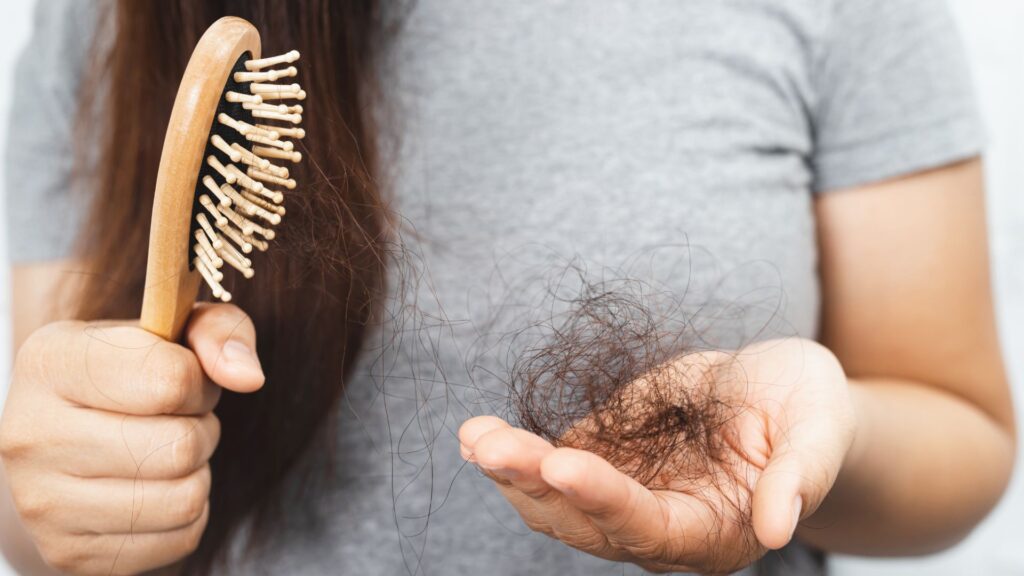
Understanding Hair Loss in Cancer Patients and Cancer treatments, such as chemotherapy and radiation therapy, are vital for combating the disease but often come with distressing side effects. Among these, hair loss is a common occurrence that can profoundly impact an individual’s self-esteem and well-being. In South Africa, where the incidence of cancer is on the rise, it becomes imperative for individuals facing these challenges to acquire a comprehensive understanding of the causes, timeline, and coping strategies related to hair loss. This detailed guide aims to provide valuable insights tailored specifically to the South African context.
1. The Mechanism of Hair Loss during Cancer Treatment
Chemotherapy and radiation therapy, standard cancer treatments, target rapidly dividing cells to eradicate cancer. Unfortunately, this also affects healthy cells, leading to hair loss on the scalp, eyebrows, eyelashes, and other body areas. The impact on hair follicles results in the cessation of hair growth. Understanding this mechanism is crucial for patients to comprehend why hair loss is a common side effect.
Example: The American Cancer Society reports that some chemotherapy drugs directly damage hair follicles, leading to hair thinning or complete loss.
2. Timeline of Hair Loss and Duration
Hair loss typically commences 2-3 weeks after initiating chemotherapy or radiation therapy. The timing can vary based on the specific drugs used, the individual’s response to treatment, and the overall treatment regimen. The extent and severity of hair loss also depend on factors such as the dosage and duration of the treatment. A nuanced understanding of the expected timeline aids patients in mentally preparing for this temporary change.
Example: According to a study published in the Journal of Clinical Oncology, the timing of hair loss can be influenced by the specific chemotherapy drugs used and the overall health of the patient.
3. Variability in Hair Loss Among Cancer Patients
It’s important to note that not all cancer treatments result in hair loss. The likelihood of experiencing hair loss depends on the specific chemotherapy drugs used. Some drugs are more prone to causing hair loss than others, and this variability should be discussed with the treating oncologist. Understanding the potential impact on hair can empower patients to make informed decisions about their treatment plans.
Reference: The National Cancer Institute provides a comprehensive list of chemotherapy drugs and their associated side effects, including the likelihood of hair loss.
4. Preparation Strategies for Hair Loss
Preparing for hair loss is an empowering step for cancer patients. Beyond the emotional aspect, practical measures can be taken, such as cutting your hair short before treatment. This proactive approach makes subsequent hair loss less noticeable. Additionally, consulting with a Trichologist experienced in assisting cancer patients can provide valuable insights into personalized treatment options. Discussions may encompass scalp care, potential interventions to minimize hair loss, and guidance on wig selection.
Example: The Mayo Clinic recommends cutting hair short before treatment to make hair loss less dramatic and offers tips on finding a suitable wig.
5. Scalp and Hair Care During Treatment
Maintaining scalp and hair health during treatment is essential for overall well-being. Being gentle with your hair, using mild shampoos, and avoiding excessive heat contribute to a healthier scalp. Implementing scalp care routines, such as using moisturizing products and avoiding harsh chemicals, can promote overall hair health even during treatment, alleviating some of the discomfort associated with hair loss.
Reference: The American Academy of Dermatology suggests using a mild, fragrance-free shampoo and conditioner to minimize irritation to the scalp during treatment.
6. Emotional Coping Strategies
Coping with hair loss is not merely a physical challenge; it’s an emotional one as well. Feelings of distress, anxiety, or self-consciousness are normal. Seeking support from professionals, such as a Trichologist specializing in hair loss, can be instrumental in navigating the emotional aspects of this experience. Beyond professional support, participating in support groups, considering counseling services, and maintaining open communication with friends and family can contribute significantly to emotional well-being.
Example: Cancer support organizations like CancerCare offer counseling services and support groups specifically addressing the emotional challenges of hair loss during cancer treatment.
7. Exploring Alternatives with Style
For those interested in alternative options, considering wigs before hair loss begins allows for a seamless transition in appearance. Scarves, turbans, and hats are also popular and fashionable alternatives that provide a sense of control over one’s image during this challenging period. Consulting with a stylist or attending wig-fitting sessions can help individuals find options that match their natural color and style, enhancing confidence and comfort during treatment.
Reference: The American Cancer Society provides a comprehensive guide on choosing and caring for wigs, including advice on finding a wig that matches natural hair color and style.
Understanding the intricacies of hair loss during cancer treatment is pivotal for South African individuals facing these challenges. By preparing both physically and emotionally, patients can navigate this temporary change with greater resilience. Seeking support from healthcare professionals, exploring alternative styling options, and fostering emotional well-being can contribute to a more positive and empowered experience during this phase of cancer treatment. Contact HDA Clinic today for more information